
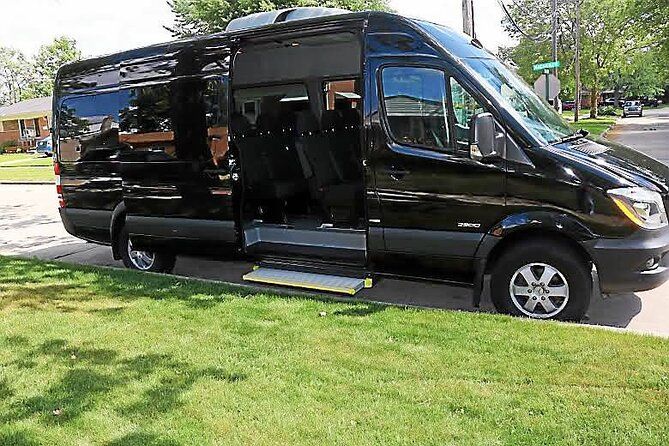
Santa Clara is an important destination for corporate meetings, technology conferences, trade shows, training sessions, and business events. Companies regularly bring employees, executives, clients, speakers, and visiting partners to the city for professional gatherings. When several people need transportation on the same day, organizing arrivals and departures can become a challenging part of event planning.
Corporate event transportation in Santa Clara, CA helps businesses coordinate travel between hotels, offices, conference venues, airports, and meeting locations. Instead of relying on separate rides for every attendee, companies can plan transportation around their event schedule and passenger requirements.

For organizations arranging business travel, the most important considerations include punctuality, vehicle capacity, pickup coordination, route planning, passenger communication, and clear pricing. Cheap Limo Ride provides chauffeured transportation services for business and private travel. Understanding the available arrangements can help event planners choose a suitable transportation plan.
Why Corporate Events Need Organized Transportation
Corporate events often involve people arriving from different locations and following a fixed schedule. A conference may begin early in the morning, while an evening business reception may take place at a separate venue.
When attendees arrange their own transportation, organizers may have limited control over arrival times. Coordinated transportation offers a more structured way to manage these movements.
1. Coordinating Multiple Attendees
A business event may involve executives, employees, invited guests, speakers, and clients. Some attendees may be staying at different hotels, while others may be traveling from nearby offices.
A transportation plan can identify common pickup points and organize passengers into suitable groups. This reduces the need to coordinate numerous individual rides.
2. Supporting a Fixed Event Schedule
Conferences and business meetings usually follow a planned timetable. Late arrivals can affect registration, presentations, networking sessions, and scheduled discussions.
Organizers can provide pickup times and destination details in advance so that transportation arrangements support the event schedule.
3. Managing Airport and Hotel Transfers
Corporate visitors may arrive through nearby airports and continue to hotels or meeting locations in Santa Clara.
Arranging transportation in advance can make these transfers easier to coordinate. Flight details, terminal information, passenger counts, and hotel addresses should be shared when requesting a reservation.
4. Providing Consistent Travel Arrangements
When a company is hosting several guests, using a coordinated transportation plan can create a more consistent experience.
The organizer can communicate the same pickup instructions, contact details, and schedule to all participants. This is particularly useful when guests are unfamiliar with the area.
Common Corporate Transportation Requirements in Santa Clara
The type of transportation required depends on the event, passenger count, and distance between locations.
Corporate Conferences and Trade Shows
Conferences and trade shows may attract employees, exhibitors, speakers, and business visitors from different cities.
Transportation may be needed between hotels, conference facilities, offices, restaurants, and networking venues. Organizers should determine whether passengers will travel together or require separate pickups.
Executive Meetings
Executives and visiting business partners may need private transportation between an airport, hotel, office, or meeting location.
A luxury sedan or SUV may be appropriate for smaller passenger groups. The vehicle should be selected according to the number of travelers and their luggage requirements.
Company Training Programs
Businesses sometimes arrange multi-day training sessions for employees visiting from different offices.
Transportation may be required each morning and afternoon between hotels and training facilities. A recurring schedule can make these arrangements easier to manage.
Corporate Dinners and Networking Events
Business dinners and networking functions may take place after regular conference hours. Attendees may need transportation from a meeting venue to a restaurant or reception location.
If the event includes multiple departure times, the organizer should discuss separate return arrangements in advance.
Client Visits and Office Tours
Companies hosting clients may arrange transportation between offices, hotels, and nearby business locations.
A planned itinerary helps the organizer account for meeting durations, travel time, and changes in the daily schedule.
Choosing the Right Vehicle for Corporate Event Transportation
Vehicle selection should be based on the actual passenger count, luggage requirements, travel distance, and event schedule. A vehicle that works for two executives may not be suitable for a group of conference attendees.
Luxury Sedan
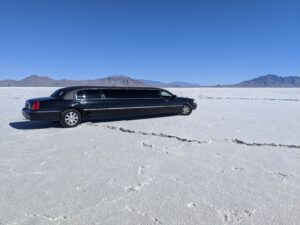
A luxury sedan is commonly considered for individual executives, couples, or small business travel arrangements.
It can be suitable for:
- Airport-to-hotel transfers
- Executive meetings
- Private client transportation
- Individual office visits
- Short business trips
When selecting a sedan, confirm the available passenger and luggage capacity.
Luxury SUV
An SUV may be suitable for small groups or passengers carrying additional luggage.
Businesses may consider this option for executive airport transfers, client visits, and transportation between nearby business locations.
The exact seating arrangement should be confirmed before booking.
Executive Sprinter Van
An executive Sprinter van may be useful when several employees, speakers, or business guests need to travel together.
It can help reduce the number of separate vehicles required for a group. Before reserving, confirm the vehicle’s passenger capacity, luggage space, and seating configuration.
Group Transportation Vehicles
Larger corporate events may require a vehicle with enough capacity for multiple attendees.
The organizer should provide an accurate passenger count and discuss whether one vehicle or several vehicles would be more practical. The goal is to match the transportation arrangement to the event’s actual requirements.
Important Santa Clara Locations to Consider When Planning Routes
Santa Clara has several recognizable business, conference, hotel, and entertainment destinations. Knowing the locations involved can help organizers prepare a practical itinerary.
Santa Clara Convention Center
The Santa Clara, California, USA is a major event facility used for conferences, exhibitions, meetings, and professional gatherings.
Corporate transportation may involve hotel transfers, exhibitor arrivals, speaker pickups, and group departures. Event planners should confirm the correct entrance and designated passenger pickup area.

Levi’s Stadium
Levi’s Stadium hosts major sporting events, concerts, and other large gatherings. Businesses may also organize hospitality activities and corporate events around scheduled events.
Traffic and passenger movement can vary significantly on event days. Transportation schedules should account for possible road congestion and designated pickup arrangements.
California’s Great America Business District Area
The area around Santa Clara, California, USA includes hotels and business destinations that may be relevant to visitors attending meetings or conferences.
When planning transportation, organizers should provide the exact hotel or office address rather than relying on a general neighborhood description.
Santa Clara Business Parks
Santa Clara has several business and technology office areas. Companies hosting clients or employees may need transportation between offices, hotels, and conference venues.
A list of complete addresses can help the transportation provider understand the route and estimate the time required.
Planning Airport Transportation for Corporate Guests
Airport transfers are often one of the first transportation requirements for a corporate event. Guests may arrive on different flights and at different times, so organizing every pickup through a single itinerary may not always be practical.
When requesting airport transportation, provide the following information:
- Passenger name or group contact.
- Airline and flight number.
- Arrival date and scheduled time.
- Airport and terminal information, when available.
- Passenger count and luggage requirements.
- Destination hotel or office address.
- A contact number for coordination.
For groups arriving on separate flights, it may be more practical to arrange individual pickups or group them by arrival time. The best arrangement depends on the flight schedule and number of passengers.
How to Organize a Corporate Transportation Schedule
A written transportation itinerary helps keep an event organized. It also gives the transportation provider enough information to understand the planned movements.

Step 1: Identify Every Event Location
Prepare a complete list of the locations involved. This may include airports, hotels, office buildings, conference facilities, restaurants, and reception venues.
Include full street addresses whenever possible.
Step 2: Prepare a Passenger List
Record the number of passengers traveling on each trip. If attendees are divided into different groups, identify which passengers will share each vehicle.
Avoid estimating passenger numbers when requesting a final quote.
Step 3: Set Pickup and Arrival Times
Identify when passengers need to leave each location and when they must arrive at the destination.
Allow additional time for traffic, passenger boarding, luggage handling, and venue access.
Step 4: Assign a Group Coordinator
For larger events, designate one person to communicate with the transportation provider.
This person can confirm passenger readiness, communicate schedule changes, and share updated instructions with attendees.
Step 5: Confirm Return Transportation
Do not focus only on the journey to the event. Include the return trip, additional stops, and expected departure times in the original plan.
If different attendees will leave at different times, discuss separate transportation arrangements.
Step 6: Review the Final Itinerary
Before the event, review the addresses, dates, pickup times, passenger counts, vehicle assignments, and contact information.
Distribute the final instructions to the people responsible for coordinating each group.
What Affects Corporate Transportation Pricing?
Corporate transportation costs depend on several factors. Businesses should request a written quote based on their actual itinerary rather than relying on a general advertised rate.
Common pricing considerations include:
- Vehicle type: Sedans, SUVs, Sprinter vans, and larger vehicles may have different rates.
- Reservation duration: Hourly reservations and point-to-point transfers may be priced differently.
- Passenger count: The number of travelers influences vehicle selection.
- Travel distance: Longer routes may affect the total cost.
- Number of stops: Additional pickups and destinations may change the quote.
- Waiting time: Delays or extended waiting periods may involve additional charges.
- Event timing: Special dates, late-night travel, or high-demand periods may affect availability and pricing.
- Additional requirements: Specific vehicle arrangements or itinerary changes should be discussed before confirmation.
A detailed quote should explain what is included, what may cost extra, and how changes are handled.
Corporate Transportation Checklist for Event Planners
Before confirming a reservation, review these practical details:
- Confirm the event date and schedule.
- Determine the number of attendees.
- Collect all pickup and destination addresses.
- Identify airport arrivals and departure times.
- Choose vehicles based on passenger and luggage capacity.
- Confirm the reservation duration.
- Discuss waiting time and additional stops.
- Identify the event transportation coordinator.
- Share contact information with attendees.
- Confirm the return journey.
- Request written pricing and booking conditions.
Completing this checklist can help prevent missing information and last-minute scheduling problems.
Arranging Corporate Event Transportation With Cheap Limo Ride
Corporate event transportation requires planning around people, locations, and time-sensitive schedules. Whether a company is arranging executive airport transfers, conference transportation, office visits, or group travel, the transportation plan should reflect the event’s actual requirements.

Cheap Limo Ride provides chauffeured transportation for business and private travel. Companies planning an event in Santa Clara, CA, can discuss their passenger count, vehicle requirements, pickup locations, and itinerary when requesting transportation information.
A clear schedule and written reservation details help organizers understand the arrangements before the event begins. By confirming these details in advance, businesses can make transportation a more manageable part of their conference or meeting plan.
Frequently Asked Questions
What type of vehicle is suitable for corporate event transportation in Santa Clara?
The right vehicle depends on the number of passengers, luggage requirements, and travel schedule. Sedans and SUVs may suit smaller groups, while executive vans or larger vehicles may be more practical for multiple attendees.
Can corporate transportation include airport pickups?
Airport transfers can be included in a corporate transportation plan. Provide flight details, passenger numbers, arrival times, and destination addresses when requesting a reservation.
Can a company arrange transportation between several Santa Clara locations?
Multiple stops may be possible depending on the itinerary and reservation terms. Share all addresses and expected stop durations in advance.
How early should a business arrange transportation for a conference?
It is helpful to begin planning once the event date, venue, and approximate passenger count are known. Early planning provides more time to compare vehicle options and coordinate arrival schedules.
Can transportation be arranged for a multi-day corporate event?
Multi-day transportation requirements can be discussed when requesting a quote. Provide the schedule for each day, including pickup locations, destinations, and expected travel times.
What information is needed for a corporate transportation quote?
The main details include the event date, passenger count, vehicle preference, pickup and drop-off addresses, travel schedule, and any additional stops. Airport transfers may also require flight information.