

Catching an early morning flight requires more planning than simply arriving at the airport on time. Travelers need to consider when to leave home, how long the drive may take, where to meet their driver, and how much time to allow for airport procedures. These details become even more important when traveling from the San Francisco Peninsula or other parts of the Bay Area to San Francisco International Airport, Oakland San Francisco Bay Airport, or San Jose Mineta International Airport.

Early flights can be convenient for business trips, family vacations, and connections to other destinations. However, limited public transportation schedules, changing traffic conditions, and the need to arrive before departure can make the journey challenging.
Planning airport transportation in advance helps travelers establish a realistic departure time and avoid unnecessary last-minute decisions. Cheap Limo Ride provides airport transportation options that travelers can consider when comparing private car service, limousine service, and other ground transportation arrangements.
Why Early Morning Airport Transportation Needs Planning
An early flight often means leaving home while it is still dark. Travelers may have limited time to respond to unexpected delays, and some transportation options may operate on reduced schedules during the earliest hours.
The required departure time depends on several factors, including the airport, airline instructions, whether the flight is domestic or international, baggage requirements, and the distance from the pickup location.
For example, a traveler leaving Palo Alto for San Francisco International Airport faces a different route and travel pattern from someone traveling from Fremont to San Jose Mineta International Airport. Even if a route usually takes a predictable amount of time, road conditions and airport access can change.
Planning ahead helps answer these questions:
- What time should the vehicle leave the pickup location?
- How long is the expected journey?
- Where will the driver meet the traveler?
- How much luggage needs to fit in the vehicle?
- What is the backup plan if the flight or pickup schedule changes?
These details are easier to confirm the day before travel than when a passenger is preparing to leave.
1. Confirm the Flight Details First
Start by reviewing the airline reservation. Confirm the departure date, scheduled flight time, airport, terminal information if available, and any instructions about check-in or baggage drop.

Do not assume that every flight departing from the same airport uses the same terminal. Airlines may operate from different terminals, and terminal arrangements can change. Check the latest information from the airline or airport before leaving.
Also confirm whether the flight is domestic or international. The time needed before departure may differ depending on airline guidance, document checks, baggage requirements, and the airport’s procedures.
If the traveler has a connecting flight, review the full itinerary to make sure the correct airport and departure time are being used for the first leg.
Once the flight details are confirmed, work backward to establish the transportation schedule. This is more reliable than choosing a pickup time based only on the usual driving time.
2. Choose the Correct Bay Area Airport
The San Francisco Bay Area has several major commercial airports. Selecting the correct airport is essential because travel times, terminal layouts, and road access differ.
San Francisco International Airport (SFO)
San Francisco International Airport serves domestic and international passengers and is a common departure point for business and leisure travel. Travelers should verify the correct airline terminal and allow time for airport access and passenger drop-off.
Oakland San Francisco Bay Airport (OAK)
Oakland San Francisco Bay Airport serves travelers in the East Bay and beyond. Depending on the pickup location and flight, it may be a practical airport option for some passengers. Travelers should check the airline’s schedule and terminal instructions before arranging a ride.
San Jose Mineta International Airport (SJC)
San Jose Mineta International Airport serves the South Bay and travelers from surrounding communities. Passengers departing from San Jose, Santa Clara, Sunnyvale, or nearby areas should confirm the terminal and drop-off details before the trip.
The closest airport is not necessarily the right airport for every journey. Flight availability, ticket prices, destination, and airline schedules determine which airport a traveler must use.
3. Calculate the Pickup Time Backward
One of the most important parts of planning early airport transportation is deciding when to leave.
Begin with the airline’s recommended airport arrival time. Add the expected driving time from the pickup location, then include a buffer for traffic, road closures, weather, and airport congestion.

For example, if a traveler needs to arrive at the airport by 5:00 a.m. and the planned drive is expected to take 35 minutes, leaving at 4:25 a.m. would provide no additional buffer. A more cautious schedule would allow extra time for unexpected conditions.
This is an illustrative calculation, not a recommendation for every flight. Actual departure times should be based on the airline’s instructions, the pickup address, and current route information.
A practical approach is to create three time points:
- Required airport arrival: The time the traveler intends to reach the airport.
- Estimated journey duration: The expected drive based on the route and departure time.
- Departure buffer: Additional time for unpredictable conditions.
The final pickup time should account for all three.
Avoid using daytime driving estimates for a journey that begins before sunrise without checking the route for the actual travel period.
4. Book Transportation in Advance
For early morning departures, arranging transportation ahead of time reduces uncertainty. Rather than looking for a ride at the last minute, travelers can confirm the pickup address, scheduled time, vehicle type, and airport destination in advance.
When booking, provide accurate information. Include the full street address, building or hotel name if applicable, airport, flight departure time, passenger count, and luggage requirements.
Ask the provider to confirm the reservation in writing. The confirmation should clearly state the pickup date and time, pickup location, destination, and any relevant service conditions.
It is also useful to confirm the process for contacting the driver or dispatch team on the morning of travel. Travelers should know whom to contact if the pickup location is difficult to find or if a schedule change occurs.
A confirmed reservation does not eliminate traffic or flight-related uncertainty, but it gives the traveler a defined starting point for the journey.
5. Select a Vehicle That Fits the Passengers and Luggage
Choosing a suitable vehicle involves more than counting the number of travelers. Luggage size, the number of bags, passenger comfort, and the distance to the airport all matter.
A sedan may suit a solo business traveler or a couple with limited luggage. An SUV may be useful for a family or a small group with additional bags. Larger parties may need a passenger van or another vehicle designed for group transportation.

Before booking, tell the provider how many passengers will travel and how much luggage they expect to carry. A vehicle’s passenger capacity does not necessarily mean it can accommodate the same number of passengers with large suitcases.
Travelers with child safety seat requirements or accessibility needs should discuss these in advance. Do not assume a particular vehicle includes a child seat or has the necessary accessibility features.
The goal is to select a vehicle that fits the actual trip rather than making assumptions based on a vehicle category.
6. Plan for Traffic and Road Conditions
Early morning roads may be quieter than peak commute periods, but traffic conditions are not guaranteed. Roadwork, collisions, weather, airport access restrictions, and special events can affect the journey.
Routes to SFO, OAK, and SJC may use major roads such as US Highway 101, Interstate 280, Interstate 880, or Interstate 580, depending on the starting location. The best route depends on the actual pickup address and current conditions.
Check route information before departure and allow enough time for unexpected delays. If the journey involves a bridge, a long freeway stretch, or several pickup stops, consider how a disruption could affect the schedule.
Travelers should also be aware that airport traffic can slow down near terminal entrances. The time required to reach the drop-off area may be different from the time shown for a route ending at a general airport address.
For an important flight, planning with a reasonable buffer is more dependable than relying on the shortest possible driving estimate.
7. Confirm the Airport Terminal and Drop-Off Point
Airports can be large, and different terminals may have separate departure areas. Confirm the airline and terminal information before the trip, then check for updates on the day of travel.
When arranging airport car service, specify the correct airport and terminal when known. If the airline changes its terminal assignment, communicate the update to the transportation provider as soon as possible.
At the airport, follow posted signs for departures and authorized passenger drop-off areas. Drivers may be restricted from waiting or stopping in certain places, so the final drop-off point must follow airport rules.
If the traveler is unfamiliar with the airport, reviewing the terminal map beforehand can make the final part of the journey easier.
After arriving, passengers should still follow the airline’s instructions for check-in, baggage drop, security screening, and boarding. A transportation reservation does not guarantee a particular processing time inside the airport.
8. Prepare for Changes Before Leaving Home
Flight schedules, pickup details, and personal circumstances can change. A traveler may receive an airline notification, need to adjust a departure time, or discover that an additional bag must be transported.
Check the flight status and reservation details before the pickup. Keep the transportation confirmation and provider contact information accessible.
If the flight time changes, ask the transportation provider whether the existing pickup arrangement should be adjusted. Do not assume that the vehicle schedule will automatically update when an airline changes its departure time.
For a shared family trip, identify one person who will communicate updates to the driver. This reduces the possibility of multiple passengers giving different instructions.
It is also sensible to prepare essentials the night before, including identification, travel documents, medication, chargers, and any items required for check-in. Keeping bags packed and ready can prevent a delayed departure from home.
9. Compare Airport Transportation Options
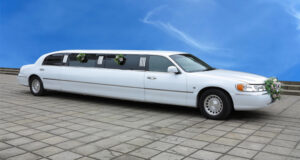
Travelers can choose among several ground transportation options, including private car service, limousine service, rideshare services, taxis, public transportation, and airport parking.
Each option has different considerations.
| Transportation option | Planning considerations |
|---|---|
| Private car service | Confirmed pickup details, vehicle type, pricing, and service terms |
| Limousine service | Suitable vehicle, booking duration, passenger count, and itinerary |
| Rideshare service | Early-hour availability, pickup timing, and fare variability |
| Taxi | Local availability, estimated fare, and airport travel arrangements |
| Public transportation | First departure times, connections, service changes, and walking distance |
| Driving and parking | Parking availability, cost, walking or shuttle time, and return arrangements |
Public transportation can be suitable when service begins early enough and the route fits the flight schedule. However, a traveler should verify the first available departure rather than assume that trains or buses operate throughout the night.
Driving and parking may offer flexibility, but travelers should include parking access and transfer time in their calculations. Private transportation may be worth considering when several passengers are traveling together, luggage is extensive, or the pickup time is particularly early.
Compare the complete journey rather than only the quoted fare or driving time.
10. Understand the Full Cost Before Booking
Airport transportation prices can depend on the vehicle, distance, travel time, service duration, pickup location, and other booking conditions.
Request a quote based on the actual itinerary. Confirm whether the price includes the full journey, airport fees if applicable, waiting time, additional stops, and any other charges.

Ask how cancellations, schedule changes, and extended waiting periods are handled. These details are particularly relevant when travel plans change or a passenger needs to adjust a pickup time.
If several people are traveling together, compare the total cost of one suitable group vehicle with the combined cost of separate rides. The result depends on the passenger count, route, luggage, and available options.
Do not compare two providers solely by their starting prices. A useful comparison should cover the same pickup time, destination, vehicle requirements, and service conditions.
11. Use a Night-Before Checklist
A short review the evening before the flight can help catch mistakes before they affect the trip.
-
Confirm the flight date, departure time, and airport.
-
Check the airline’s latest terminal and check-in instructions.
-
Confirm the pickup address and scheduled time.
-
Review the transportation booking confirmation.
-
Verify the passenger count and luggage requirements.
-
Check the route and allow a suitable time buffer.
-
Keep the provider’s contact information accessible.
-
Pack travel documents and essentials.
-
Set an alarm that allows enough time to prepare.
-
Check for airline or transportation updates before departure.
For international flights, review passport, visa, and other documentation requirements well in advance. Travelers are responsible for ensuring that they have the documents required for their destination.
12. What to Do If the Flight Schedule Changes
Flight delays and schedule adjustments can affect ground transportation plans. If the airline changes the departure time before the pickup, contact the transportation provider to discuss the new schedule.
If the change occurs after reaching the airport, follow airline instructions and confirm whether a revised pickup or transfer is needed. Keep in mind that the rules for changes depend on the provider’s booking terms.
Travelers should not assume that a delayed flight automatically means an airport pickup will be rescheduled without additional coordination. This is especially important when a reservation includes a specific service window or when the original trip involves multiple stops.
Keeping the flight details and provider contact information available makes it easier to coordinate a change quickly.
Final Thoughts
Planning airport transportation for an early morning flight in the San Francisco Bay Area starts with confirming the flight details and working backward to establish a realistic pickup time. Travelers should consider the correct airport, terminal access, traffic conditions, vehicle capacity, luggage, and the provider’s booking terms.
Booking ahead and checking the itinerary the night before can reduce avoidable uncertainty. Whether traveling from Palo Alto, San Jose, San Mateo, Fremont, or another Bay Area community, the right arrangement depends on the passenger’s actual location and flight schedule.
Cheap Limo Ride is one option travelers can consider when comparing private airport transportation. Before confirming a reservation, verify availability, the full price, pickup instructions, vehicle details, and the policy for schedule changes.
A carefully planned ride helps travelers begin their journey in a more organized way, leaving them better prepared for the check-in and boarding process.